Palm Tree Removal in Allentown, PA
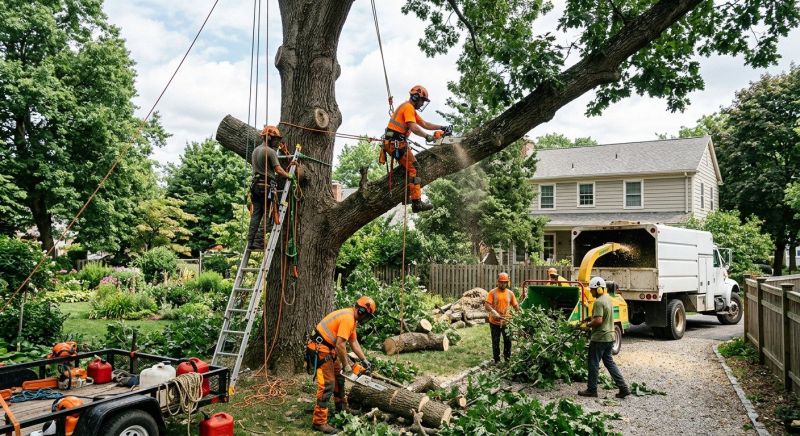
Palm tree removal services involve the careful and efficient removal of palm trees from residential or commercial properties. This process typically includes assessing the tree’s size and location, safely cutting and dismantling the tree, and removing debris to ensure the property remains clean and safe. Projects can range from removing dead or unhealthy palms to clearing space for new construction or landscaping, as well as removing trees that pose safety hazards due to instability or proximity to structures.
Property owners usually want to understand what the removal process entails, including considerations like the size of the tree, access to the site, and potential impacts on the surrounding landscape. It is also common to inquire about the disposal of the tree and debris, as well as any necessary permits or precautions. Having clear information about these aspects can help homeowners plan effectively and ensure the removal is completed safely and efficiently.
Many property owners in Allentown, PA look into Palm Tree Removal for repairs, replacements, upgrades, and appearance-related improvements.

Reasons For Tree Removal
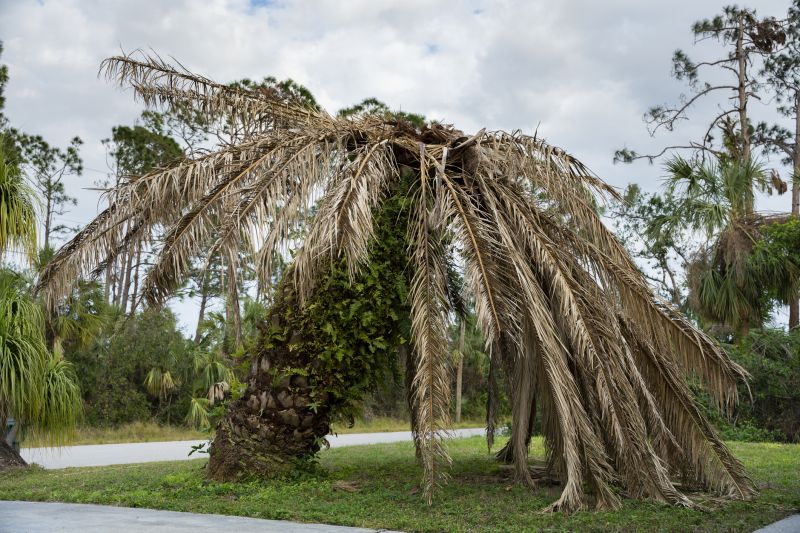
Trees may need to be removed due to disease, damage, or safety concerns on residential or commercial properties.
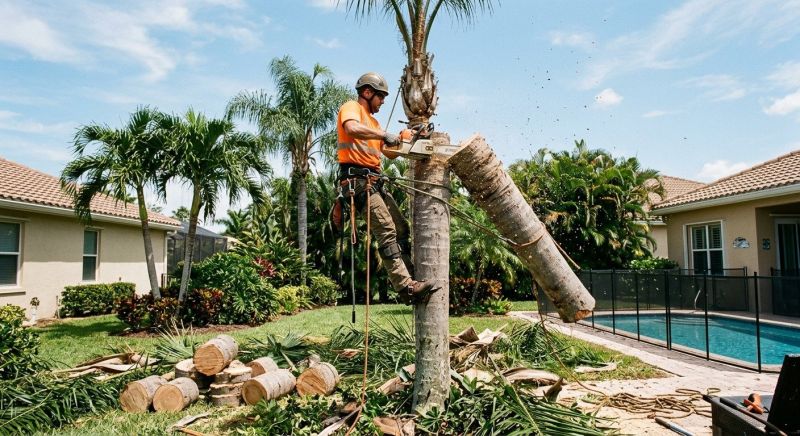
Safe Removal Techniques
Proper equipment and methods are essential to safely remove palm trees without damaging surrounding landscapes.
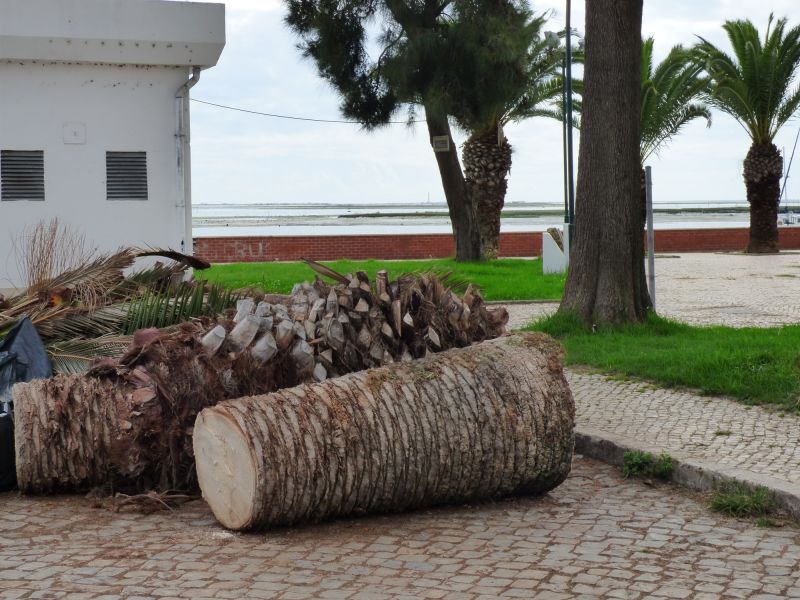
Post-Removal Cleanup
Clearing away debris and stump grinding are important steps after palm tree removal to restore your property’s appearance.
Palm Tree Removal in Allentown, PA

Palm tree removal services involve the careful and efficient removal of palm trees from residential or commercial properties. This process typically includes assessing the tree’s size and location, safely cutting and dismantling the tree, and removing debris to ensure the property remains clean and safe. Projects can range from removing dead or unhealthy palms to clearing space for new construction or landscaping, as well as removing trees that pose safety hazards due to instability or proximity to structures.
Property owners usually want to understand what the removal process entails, including considerations like the size of the tree, access to the site, and potential impacts on the surrounding landscape. It is also common to inquire about the disposal of the tree and debris, as well as any necessary permits or precautions. Having clear information about these aspects can help homeowners plan effectively and ensure the removal is completed safely and efficiently.
Many property owners in Allentown, PA look into Palm Tree Removal for repairs, replacements, upgrades, and appearance-related improvements.
Common Palm Tree Removal Jobs
Palms Removal - removal of damaged or unwanted palm trees to improve landscape safety.
Stump Grinding - grinding down remaining stumps for a clean, level yard.
Tree Trimming - shaping and pruning palms to promote healthy growth and appearance.
Hazardous Tree Removal - removing palms that pose a risk of falling or causing damage.
Storm Damage Cleanup - clearing broken or fallen palms after severe weather events.
Land Clearing - removing multiple palms to prepare property for new landscaping or construction.
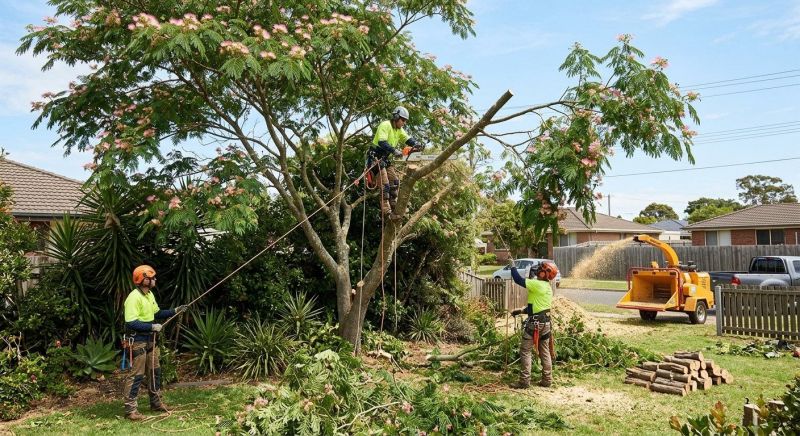
Palm Tree Removal Questions
When is palm tree removal necessary? Removal may be needed if the tree is diseased, damaged, or poses a safety risk to the property.
What should property owners consider before removing a palm tree? It's important to evaluate the tree's size, location, and potential impact on surrounding structures.
Are there any restrictions or permits required for palm tree removal? Local regulations may require permits for removal, especially for large or protected species.
What are common reasons for choosing professional palm tree removal services? Professionals ensure safe, efficient removal and proper disposal of the tree and debris.
Request Palm Tree Removal in Allentown, PA
Use the quote form on this page to share the basics of your project and request more information for the type of work you need.